



 Send Inquiry
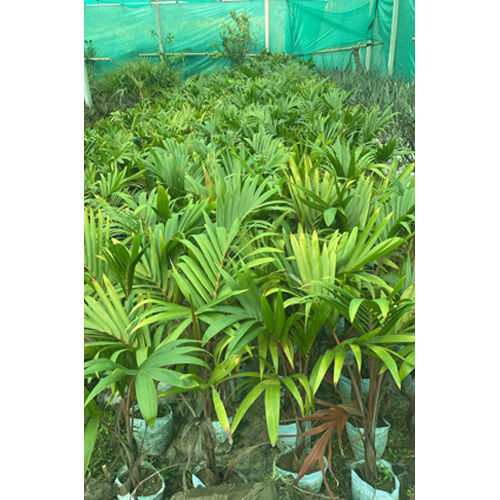
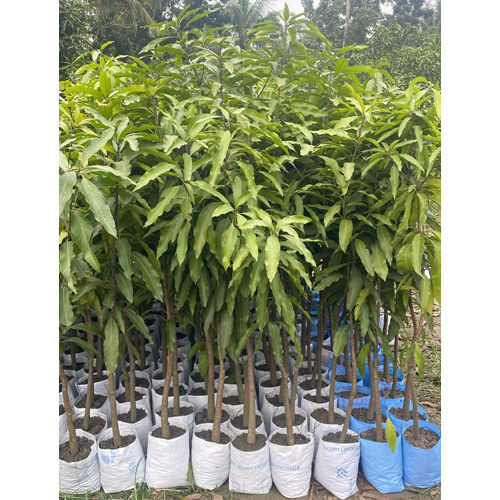
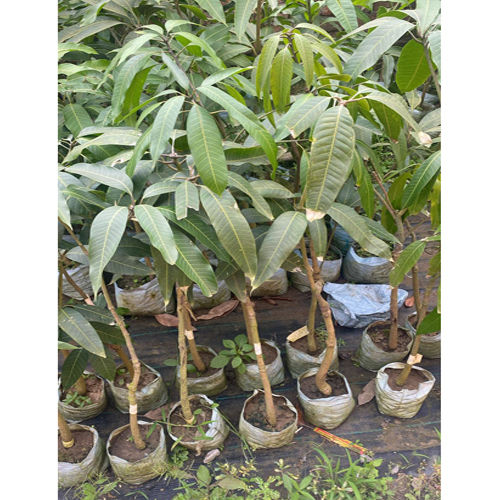
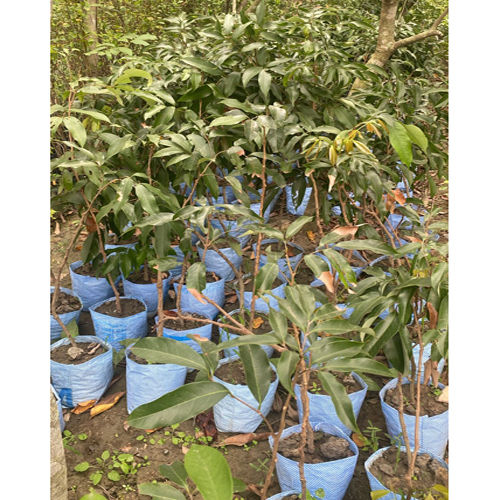
Caryota Urens Plant
Price 120 INR/ Bale
MOQ : 10 Bottles
Caryota Urens Plant Specification
- Type
- Plant
- Variety
- Tulips
- Breed
- Wild / Natural
- Part
- Leaves
- Color
- Green
- Size
- Medium to Large
- Stem length
- Up to 12 meters
- Shelf Life
- Perennial
- Common Names
- Fishtail Palm, Jaggery Palm
- Mature Height
- 12-20 meters
- Growth Habit
- Single-trunked Palm
- Water Requirements
- Moderate
- Leaf Shape
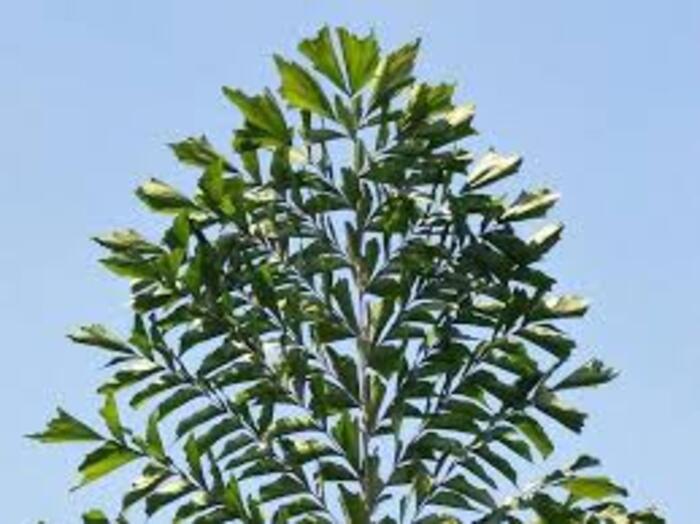
- Bipinnate, fishtail shaped
- Temperature Tolerance
- Tropical, frost sensitive
- Scientific Name
- Caryota urens
- Toxicity
- Non-toxic to humans
- Propagation Method
- Seeds
- Soil Type
- Well-drained, fertile soil
- Uses
- Ornamental, sap extraction, starch, fodder
- Sunlight
- Full Sun to Partial Shade
- Family
- Arecaceae
Caryota Urens Plant Trade Information
- Minimum Order Quantity
- 10 Bottles
- Payment Terms
- Cash Advance (CA), Cash in Advance (CID)
- Sample Available
- Yes
- Sample Policy
- Free samples are available
- Main Export Market(s)
- Asia
- Main Domestic Market
- West Bengal
About Caryota Urens Plant
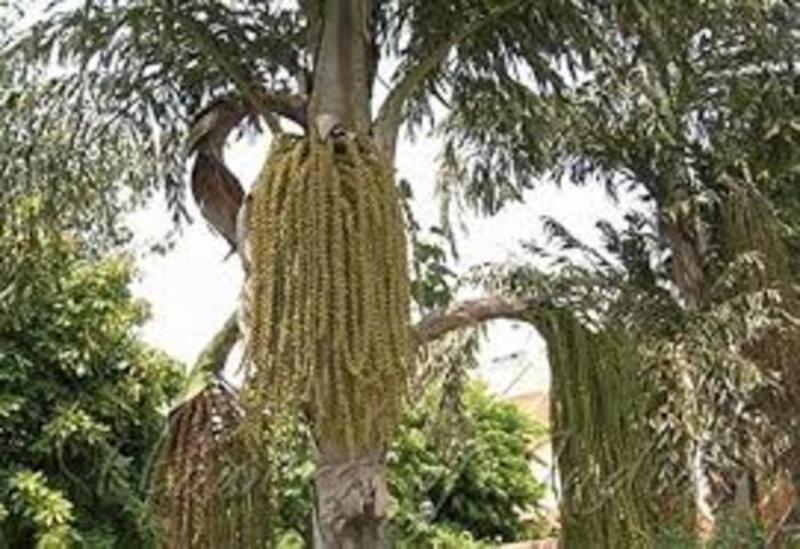
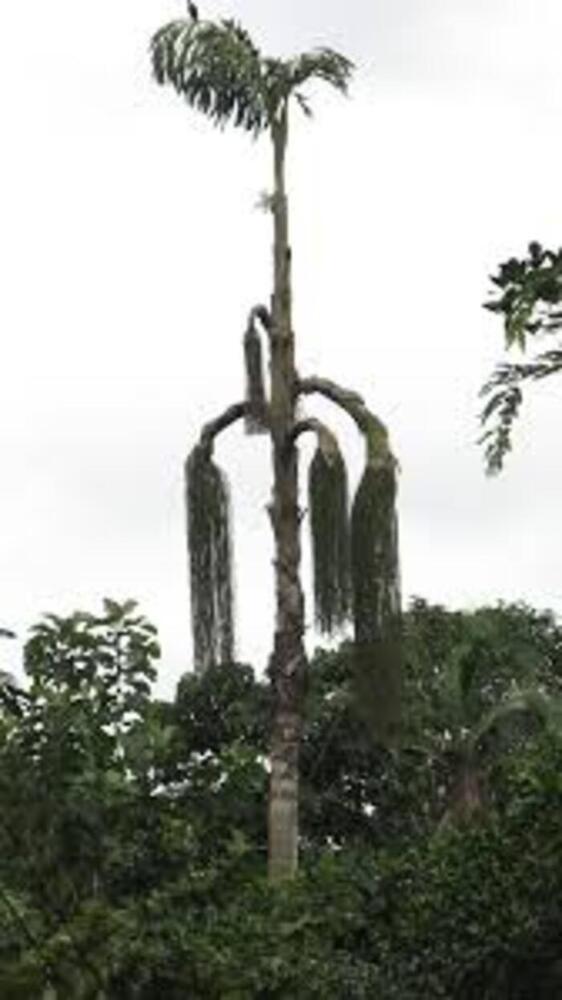
Caryota urens, or the fishtail palm, is a solitary-trunked palm reaching 15-20 meters tall, native to Indo-Malesia. Key features include its "fishtail"-shaped, bipinnate leaves, large drooping inflorescences, and a round, red fruit containing irritant oxalic acid. It is monocarpic, dying after fruiting, but its pith yields sago, and the fibers and terminal bud are also usedTechnical Details .jpg)
Striking Ornamental Appeal
The Caryota urens impresses with its tall, elegant trunk and uniquely fishtail-shaped, bipinnate leaves, making it a preferred specimen tree in large gardens and parks. Its lush green foliage provides a tropical ambiance and serves as a magnificent focal point, perfect for landscaping in regions with suitable climates.
Functional Benefits Beyond Beauty
Beyond its visual appeal, Caryota urens serves multiple purposes. The sap collected from mature palms is used to produce jaggery, a natural sweetener. The plant's starch is used regionally for culinary and industrial applications, and the fronds work as animal fodder. Its versatility makes it both ornamental and useful.
FAQ's of Caryota Urens Plant:
Q: How should Caryota urens be planted and cared for?
A: Caryota urens prefers well-drained, fertile soil and thrives in locations with full sun to partial shade. The palm needs moderate watering and does best in tropical climates, away from frost. Regular care includes occasional fertilization and adequate spacing to accommodate its large mature size.Q: What are the best uses of Caryota urens in landscaping and agriculture?
A: This palm is predominantly used as an ornamental specimen due to its bold foliage and impressive height. Agriculturally, it's valued for its sap, which is used to make jaggery, while its starch serves culinary needs. The leaves can also be harvested as fodder for livestock.Q: When is the right time to propagate Caryota urens, and what is the process?
A: Caryota urens is best propagated from seeds during the warm, rainy months, ensuring higher germination rates. Sow fresh seeds in well-drained soil, keep them moist but not waterlogged, and place them in a warm, partially shaded area until sprouts appear.Q: Where is Caryota urens commonly grown and supplied from?
A: This species is native to tropical regions and is commonly cultivated and supplied throughout India due to its climate requirements. In India, manufacturers and suppliers provide quality plants suitable for landscaping or agricultural use.Q: What makes Caryota urens a preferred choice for large-scale landscaping projects?
A: Its rapid growth, impressive size, unique fishtail-shaped leaves, and non-toxic nature make Caryota urens ideal for parks, institutional campuses, and spacious gardens. Its adaptability to different light conditions further enhances its landscape value.Q: Is the Caryota urens plant safe for households with children and pets?
A: Yes, Caryota urens is considered non-toxic to humans, making it safe for gardens and outdoor spaces where children and pets may play.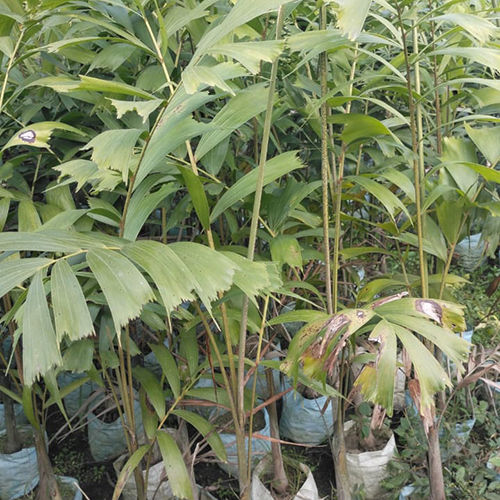
Tell us about your requirement

Price:
Quantity
Select Unit
- 50
- 100
- 200
- 250
- 500
- 1000+
Additional detail
Mobile number
Email

More Products in Decorative Plant Category
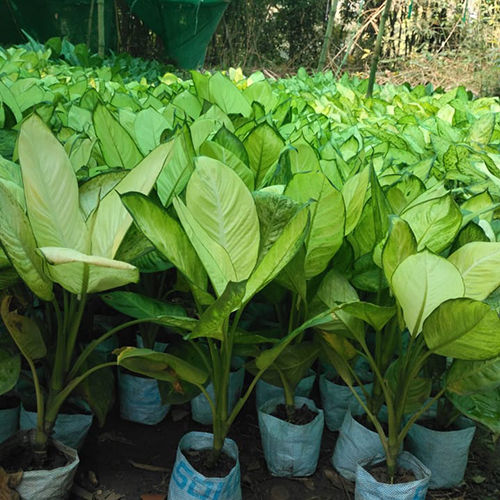
Agloeinima Plant
Price 150 INR / Billions Of Unit
Minimum Order Quantity : 20 Bottles
Type : Plant
Size : Medium
Part : Leaves
Color : Green with Red/Pink Markings
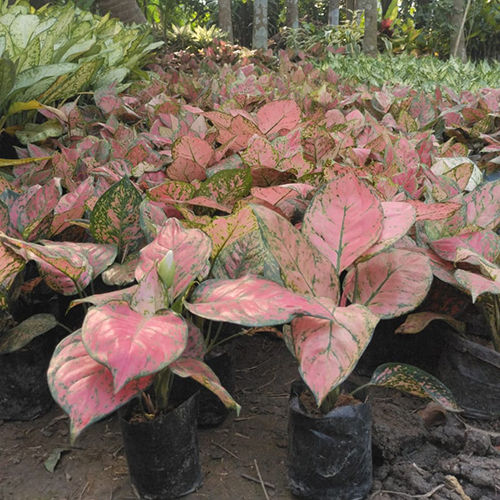
Aglaonema (Red) Plant
Price 120 INR / Bale
Minimum Order Quantity : 10 Bottles
Type : Plant
Size : Medium (Height: 1218 inches)
Part : Leaves
Color : RedGreen foliage
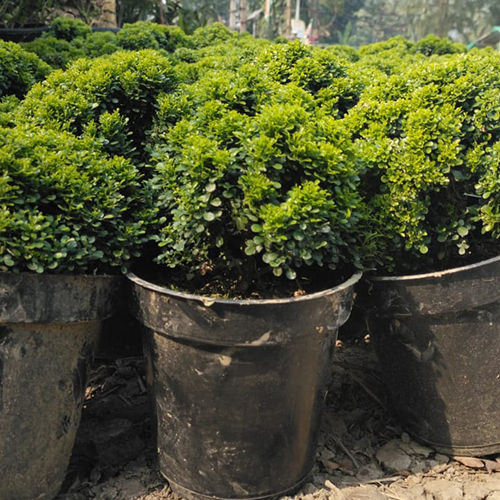
Table Kamini Plant
Price 200.0 INR / Piece
Minimum Order Quantity : 1000 Pieces
Type : Plant
Size : Small to Medium
Part : Other
Color : Green leaves, occasional white flowers
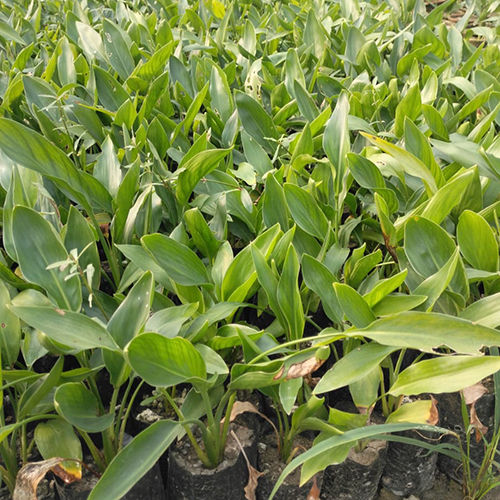
Thalia Dealbata Plant
Price 400.0 INR / Piece
Minimum Order Quantity : 1000 Pieces
Type : Other
Size : Medium to Large
Part : Other
Color : Green Leaves with Purple Flower Spikes

Quick Inquiry


Contact Details
New Deshpran Nursery & Agricultural Farm
GST : 19AGAPK4385Q1ZP
GST : 19AGAPK4385Q1ZP
Post+P.O.- Sukhdevpur, Gotalahat Road, P.s.- Bishnupur (Amtala) Dist- South 24 PGS,Kolkata - 743503, West Bengal, India
Phone :07971190319
Mr. New Deshpran Nursery & Agricultural Farm
(Proprietor)
Mobile :07971190319
 Send Inquiry
Office Address : Gotolahat Road, Sukdebpur, South 24 Pgs (WB)
Factory Address : Amtala, Gotolahat Road, Sukdebpur, South 24 Pgs (WB)
Factory Address : Amtala, Gotolahat Road, Sukdebpur, South 24 Pgs (WB)

 |
New Deshpran Nursery & Agricultural Farm
All Rights Reserved.(Terms of Use) Developed and Managed by Infocom Network Private Limited. |
